

IBC Tanks: Uses, Benefits, and Tips
Discover the essential guide to IBC tanks. Explore their diverse uses, key benefits, and expert tips to maximize
your storage solutions effectively.
IBC Tank Materials and Construction
The construction of IBC tanks is a critical factor in their durability and versatility. The inner container, which
holds the actual contents, is typically made from high-density polyethylene (HDPE). HDPE is a robust,
non-reactive plastic that can withstand a wide range of chemicals and temperature variations. This makes it
ideal for storing various substances, from food products to industrial chemicals.
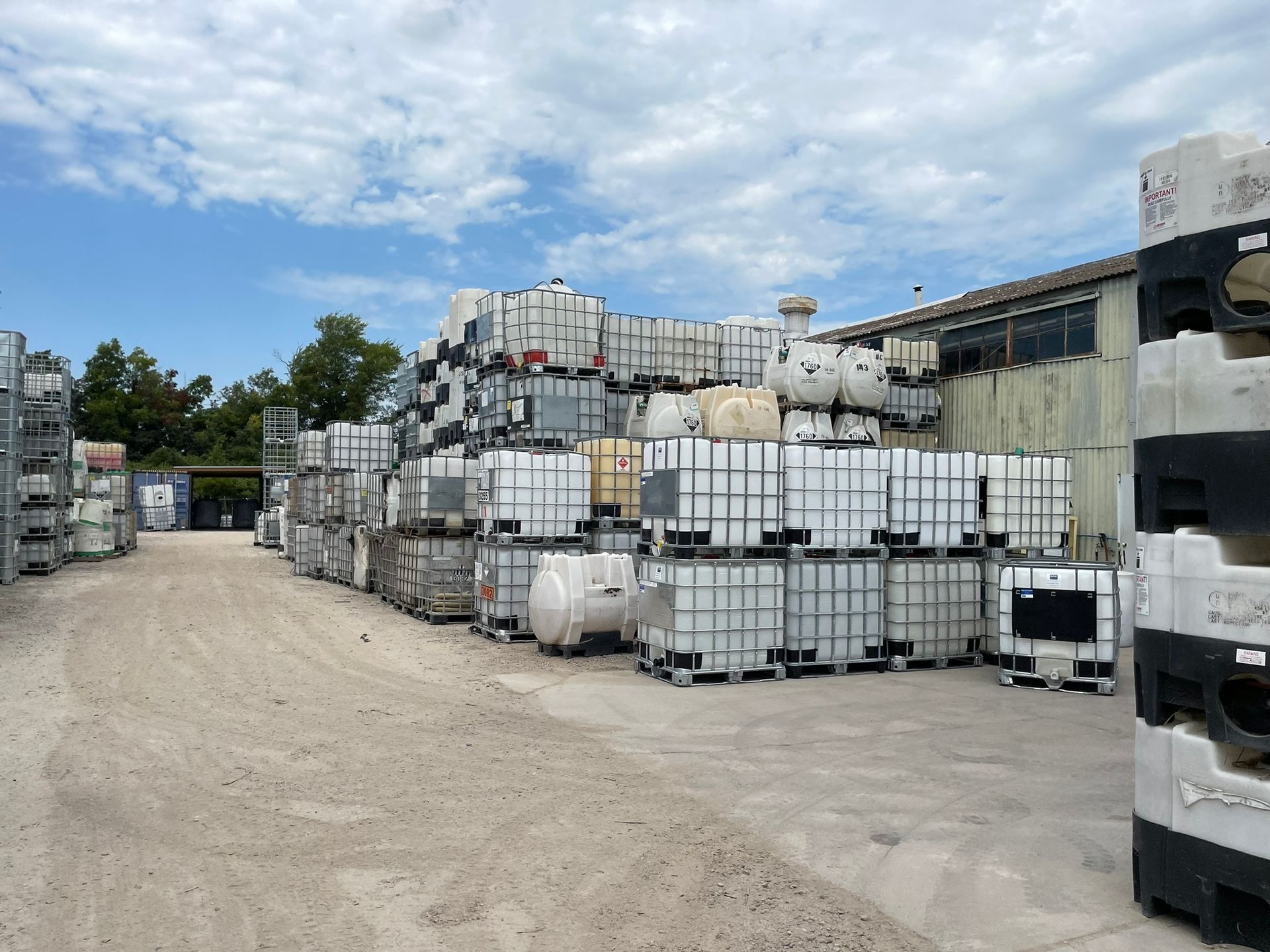
The outer cage of the IBC tank is usually constructed from galvanized steel or another type of durable metal.
This cage provides structural support and protects the inner container from physical damage. The metal cage is
designed to withstand impacts, making it suitable for rough handling and transportation. Additionally, the cage
often features a pallet base, which allows for easy movement using forklifts or pallet jacks.
Some IBC tanks also come with additional features such as valves, fittings, and discharge outlets. These features
facilitate easy filling and emptying of the tank, enhancing their usability. For instance, a bottom discharge valve
allows for quick and efficient emptying of the contents, reducing downtime during operations. The presence of
these features makes IBC tanks a comprehensive solution for storage and transportation needs.
Best Practices for IBC Tank Maintenance
Proper maintenance of IBC tanks is essential to ensure their longevity and functionality. One of the first steps in
maintaining these tanks is regular cleaning. Depending on the substances stored, the cleaning process can vary.
For food-grade applications, it is crucial to use appropriate cleaning agents to avoid contamination. Industrial
applications may require more robust cleaning solutions to remove chemical residues. Regular cleaning
prevents the build-up of residues that can compromise the quality of the stored contents.
Another important aspect of maintenance is inspecting the tanks for any signs of damage or wear. Regular
inspections can help identify issues such as cracks, leaks, or corrosion in the outer cage. Addressing these
problems early can prevent more significant issues down the line. For instance, a small crack in the inner
container can lead to leaks, which could contaminate the stored contents and pose safety risks.
Additionally, it is essential to follow the manufacturer's guidelines for maintenance and storage. These
guidelines provide specific instructions on how to care for the tanks, including recommended cleaning agents
and methods. Adhering to these guidelines ensures that the tanks remain in optimal condition and continue to
provide reliable storage and transportation solutions. Regularly updating your maintenance practices based on
the latest recommendations and industry standards can further enhance the tanks' longevity.
Safety Considerations When Using IBC Tanks
Safety is a paramount concern when using IBC tanks, especially when storing hazardous materials. One of the
first safety considerations is ensuring that the tank is compatible with the stored substance. Using a tank made
from a material that is not chemically compatible with the contents can lead to leaks, spills, and potentially
hazardous reactions. Always check the chemical compatibility chart provided by the manufacturer before
using the tank.
Proper handling and transportation of IBC tanks are also crucial for safety. The tanks should be securely
fastened during transport to prevent tipping or shifting. Additionally, operators should be trained in the correct
methods for moving and stacking the tanks. Improper handling can lead to damage to the tanks, which can
compromise their integrity and pose safety risks. Using appropriate equipment such as forklifts or pallet jacks
can help ensure safe handling.
Another important safety consideration is the storage environment. IBC tanks should be stored in a
well-ventilated area away from direct sunlight and sources of heat. Exposure to extreme temperatures can
weaken the tank material and increase the risk of leaks. Additionally, the storage area should be equipped with
spill containment measures to manage any accidental leaks or spills. Regular safety audits and compliance
checks can help identify and mitigate potential risks associated with IBC tank storage and use.
IBC Tank Regulations and Compliance
Compliance with regulations is essential when using IBC tanks, especially for storing and transporting
hazardous materials. Various regulatory bodies, such as the Department of Transportation (DOT) and the
Environmental Protection Agency (EPA), have specific guidelines for IBC tanks. These guidelines cover aspects
such as tank construction, labeling, and transportation requirements. Adhering to these regulations ensures
that the tanks are used safely and legally.
One of the key regulatory requirements is proper labeling and documentation. IBC tanks must be clearly
labeled with information about the contents, including any hazardous material warnings. This labeling helps
emergency responders quickly identify the contents in case of an accident. Additionally, proper documentation
is required for the transport of hazardous materials. This documentation should include details about the
contents, the tank's specifications, and any safety precautions.
Regular inspections and testing are also mandated by regulatory bodies to ensure the integrity of IBC tanks.
These inspections may include visual checks for damage, pressure testing, and leak detection. Keeping detailed
records of these inspections and tests is essential for compliance. Failure to comply with regulatory
requirements can result in fines, legal action, and compromised safety. Staying updated with the latest
regulations and ensuring that your IBC tanks meet all requirements is crucial for safe and legal operation.